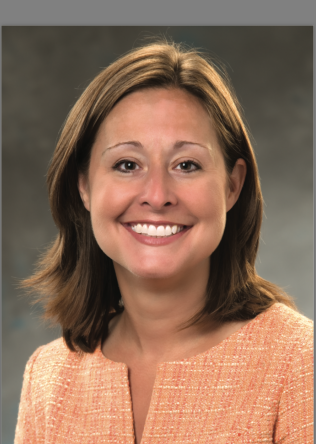
Jill E. Steigelfest, MD
Comprehensive pediatric care for infants, children and adolescents
Specialty
General Pediatrics
M.D.
Albert Einstein College, Bronx, NY, 1995
Residencies
Pediatric Residency-University of South Florida, All Children's Hospital, St. Petersburg, FL
Chief Resident-University of South Florida, All Children's Hospital, Tampa General Hospital, Tampa Bay, FL
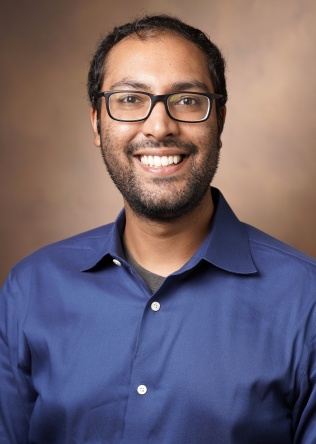
John Staubitz, BCBA, MEd
John Staubitz's research focuses on applying behavior analytic technology to treat severe problem behavior in school, home, community, and medical settings. He specializes in using functional assessment techniques to inform and individualize treatment protocols in which students or patients learn safe, functional means of engaging with their environment. He has pioneered technologically enhanced methods of assessment, consultation, and caregiver training.
Problem behavior, behavior disorders, behavioral assessment, behavioral treatment, functional communication, applied behavior analysis, school-based consultation, teleconsultation, educator training
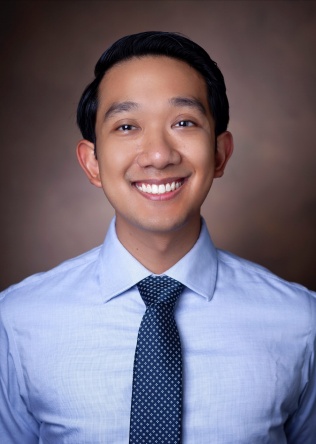
Ryan J. Stark, MD
Dr. Stark's laboratory research focuses on the mechanisms through which acute inflammatory responses alter vascular function and contribute to critical illness. Further, he is interested in discovering ways to limit the negative impact inflammation has on the endothelium and associated vascular system.
Previous NIH-funded research investigated how endothelial cells are affected during infection, with specific focus on endothelial nitric oxide synthase (eNOS) dysfunction. Furthermore, Dr. Stark's lab examined how priming of the immune system with a TLR4 agonist, monophosphoryl lipid a (MPLA), altered the pro-inflammatory responses of activated endothelial cells with secondary infectious challenges. They have also examined a group of metabolic regulators of inflammation, known as sirtuins (SIRTs). They found that loss of SIRT1, which occurs during prolonged sepsis and with age, alters the metabolic phenotype of the endothelial cells to where they have a "metabolic shift" away from oxidative phosphorylation, the primary source of energy production, to glycolysis.
Additionally, a translational aspect of the program studies endothelial dysfunction in humans using a technique called laser doppler perfusion monitoring which is coupled to drug iontophoresis. This system allows us to test the function of the vasculature in critically ill patients using drugs that either stimulate the endothelial cells (acetylcholine) or the vascular smooth muscle cells (sodium nitroprusside). They have found in children undergoing either cardiopulmonary bypass for the correction of congenital heart surgery or those who present with sepsis, that endothelial-dependent vascular reactivity is more strongly impaired compared to endothelial-independent mechanisms, suggesting that the vascular dysfunction observed in critically ill children is primarily driven by endothelial dysfunction.
The Stark Lab's long-term goal is to understand the mechanisms of acute vascular dysfunction and find modalities that allow for identification and future treatment. Dr. Stark has been involved in academic research throughout his career and has a passion to answer questions that arise in critically ill patients. He has also been involved in mentoring younger trainees with the hope of inspiring them to think critically and pose new and interesting questions on how to approach critical illness. His lab’s goal is to continue these pursuits by asking clinically-relevant questions, investigating them with trainees in the laboratory and hospital settings, and ultimately, finding answers that can be brought back to patients to help temper the severity of illness and reduce morbidity and mortality in the vulnerable population of pediatric critical illness.
Sepsis, Systemic Inflammatory Response Syndrome (SIRS), Burn Injury, Vascular and Endothelial Dysfunction
Specialty
Critical Care, Pediatric
M.D.
George Washington University School of Medicine, Washington, DC, 2006
Internship
Pediatric Internship-Hasbro Children's Hospital, Providence, RI
Residency
Pediatric Residency-Hasbro Children's Hospital, Providence, RI
Fellowship
Pediatric Critical Care Fellowship-Texas Children's Hospital, Houston, TX
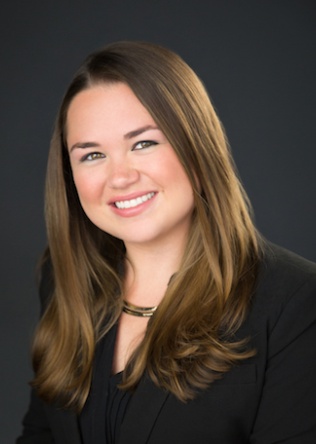
Shawna Judkins, MSN
Pediatric hematology/Oncolgy; Pediatric Cancer Survivorship
Specialty
Hematology/Oncology, Pediatric
M.S.N.
Vanderbilt University, Nashville, Tennessee
Bradley B. Stancombe, MD
General clinical neonatology
Specialty
Neonatology
M.D.
Baylor College of Medicine, 1984
Internship
Pediatric Internship-USAF Medical Center, Keelser AFB, MS
Residency
Pediatric Residency-USAF Medical Center, Keesler AFB, MS
Fellowship
Neonatology Fellowship-Wilford Hall USAF Medical Center, Lackland AFB, TX
Alacia Stainbrook, BCBA, PhD
Early Intervention, Early Identification, Autism Spectrum Disorder, Provider Training
Specialty
Psychology, Pediatric
M.S.
Vanderbilt University, Nashville, TN, 2004
Ph.D.
Vanderbilt University, Nashville, TN, 2007
Fellowship
Post Doctoral Fellow-Vanderbilt Kennedy Center, Nashville, TN
Stephanie M. Spence, MSN
Specialty
Rheumatology, Pediatric
BSN
Bachelor of Science in Nursing - University of Tennessee Chattanooga, 2002
M.S.N.
Vanderbilt University School of Nursing, 2006
Jonathan Soslow, MD
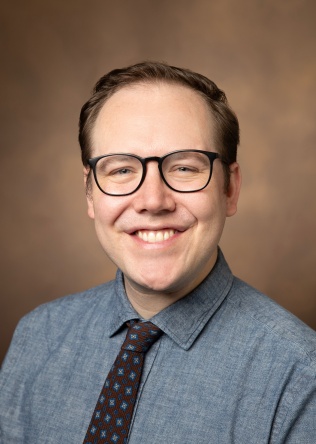
Dr. Soslow is a pediatric cardiologist with advanced training and expertise in pediatric cardiac imaging. He specializes in echocardiography and cardiac magnetic resonance imaging (CMR). He has a Master of Science in Clinical Investigation (MSCI) and focuses his research program on the assessment of serum and imaging biomarkers in Duchenne muscular dystrophy (DMD) cardiomyopathy and after heart transplant. He has been the principal investigator for multiple studies, including an American Heart Association Clinical Research Program grant, a K23 and an R56 funded by the National Heart, Lung, and Blood Institute, and a grant from the Enduring Hearts Foundation. He is currently the PI of a multi-site R01 from the Food and Drug Administration evaluating the longitudinal progression of DMD cardiomyopathy and two multi-site R01s from the NIH/NHLBI evaluating non-invasive detection of rejection in heart transplant recipients and identifying clinical outcome measures for DMD cardiomyopathy. He is the Director of Clinical Research for the Division of Pediatric Cardiology at Vanderbilt University Medical Center and the Co-Director of the DMD Multispecialty Clinic and the Gene Therapy Clinic. He also serves as the Chair of the Steering Committee for the Pediatric and Congenital Heart Disease Section of SCMR.
Echocardiography, Cardiac MRI, Duchenne muscular dystrophy, cardiomyopathy
Specialty
Cardiology, Pediatric
M.D.
Louisiana State University School of Medicine, New Orleans, LA, 2003
M.S.C.I.
Vanderbilt University Medical Center, 2014
Residency
Pediatric Residency-Lucile Packard Children's Hospital, Stanford University Medical Center, Palo Alto, CA
Fellowship
Pediatric Cardiology Fellowship-Vanderbilt University Medical Center, Nashville, TN
Barbara J. Solomon, MD
Specialty
Emergency Medicine, Pediatric
M.D.
McGill University School of Medicine, Montreal, Canada, 1998
Residency
Pediatric Residency-McGill University/Montreal Children's Hospital, Montreal, Canada
Fellowships
Chief Resident/PICU Fellow-McGill University/Montreal Children's Hospital, Montreal, Canada
Pediatric Emergency Medicine Fellowship-University of Florida College of Medicine, Jacksonville, FL