Letter from the Director
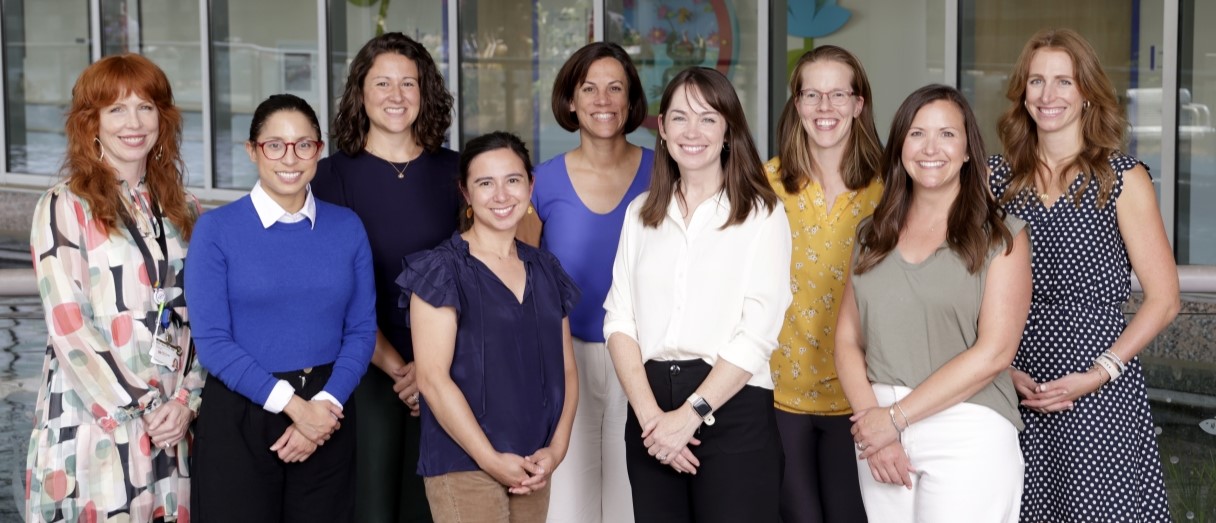
Welcome to the Division of Pediatric Psychology at Vanderbilt University Medical Center. Our group includes pediatric psychologists, neuropsychologists and researchers working across a variety of clinical settings, including inpatient hospital services and outpatient clinics.
Our mission is to instill hope and resilience in our community through excellence, innovation, and commitment to the whole child. Our goal is to continue to expand behavioral health services across the pediatric health care enterprise and provide a teaching and training community for pediatric psychology.
Pediatric psychologists and neuropsychologists play critical roles in delivering exceptional care to children who experience chronic or acute medical issues and their families. Our expert clinicians specialize in providing assessment, intervention and consultation services to children who need help adjusting to a diagnosis (e.g., cancer), adhering to treatments (e.g., diabetes regimens), and managing challenges around complex and painful procedures (e.g., surgery). Children in pediatric care and their caregivers often experience high levels of stress, depression and anxiety, and pediatric psychologists proactively support children and families to promote optimal coping and support children’s emotional health during treatment. Pediatric psychologists are experts in health behavior change, and psychological support has been demonstrated to enhance both disease and mental health outcomes.
We invite you to learn more about the division through our website and contact us with any questions.
Sincerely,
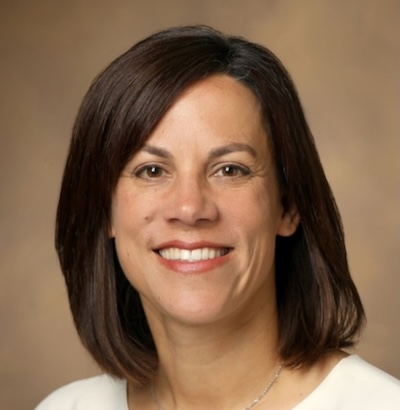
Sarah Jaser, PhD
William R. Long Director, Division of Pediatric Psychology
Associate Professor of Pediatrics, Pediatric Psychology
Contact Us
Mailing Address ONLY:
Division of Pediatric Psychology
2141 Blakemore Ave.
Suite 150E
Nashville, TN 37212
For Patients and Families
Our psychologists work within different medical settings to offer support to children and their families around adjusting to new diagnosis and treatment regimens, improving parent-child communication around managing health conditions, and learning adaptive coping strategies. Contact your child’s medical clinic to set up an appointment with one of our providers.
For more information, refer to the Division of Developmental Medicine or Division of Child and Adolescent Psychiatry.