

Cultivating healthy living through partnership and discovery
The Vanderbilt Children’s We Grow Healthy Center is dedicated to improving child and family well being through community engaged research that grows from shared effort. We believe healthy living takes root when evidence, family strengths, and community resources work together—so we design every project with real world experiences at the center.
Our work is deeply informed by the “kids in context” approach championed across Vanderbilt Pediatrics, ensuring our research reflects the environments where children spend their lives.

Mission
To cultivate healthy living by conducting rigorous, community engaged research that elevates family strengths, advances discovery, and translates evidence into action across clinical, home, and community environments.
Vision
A future where every community has the partnerships, tools, and evidence needed to help children grow healthy—because research is created with families, rooted in children’s real world contexts, and scaled across systems to support wellbeing.
Our Story
The We Grow Healthy Center began with a simple belief: healthy living flourishes through shared effort. Originally a research group focused on family centered interventions, our team grew into a center committed to cultivating health through partnership and discovery.
Embedded within Monroe Carell Jr. Children’s Hospital at Vanderbilt and the Department of Pediatrics, we align with the institution’s commitment to groundbreaking discovery, training the next generation, and extending impact beyond hospital walls.
Today, we bring together scientists, clinicians, families, and community organizations to co design interventions, build programs families can use, and share findings that strengthen communities.
-
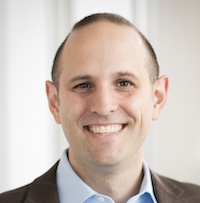
Bill Heerman, MD, MPH
Center Director; Associate Professor of PediatricsDr. Heerman is a physician scientist and national leader in community engaged research to improve maternal child health. His work focuses on designing and implementing behavioral interventions to prevent and treat childhood obesity. He directs the Division of Academic General Pediatrics and leads the Nashville Collaborative.
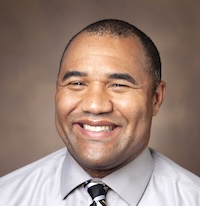
Colin Orr, MD, MPH
Assistant Professor of PediatricsDr. Orr is a board certified general pediatrician and health services researcher. His research focuses on examining food insecurity, primary care–based interventions, and early life nutrition as pathways to improved long term outcomes.
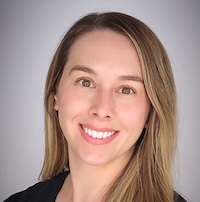
Nadia Markie Sneed, PhD, APRN, FNP BC
Assistant Professor; Nutrition & Family Health ResearcherDr. Sneed’s research centers on “food as medicine” and the development of culturally relevant, wholefoods–based nutrition interventions. Her work spans prediabetes prevention, adolescent obesity treatment and multigenerational dietary behavior change, with a focus on sustainable approaches families can adopt at home.
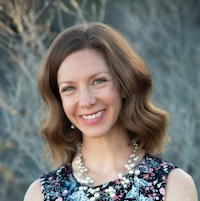
Aspen Streetman, PhD
Postdoctoral Research FellowDr. Streetman is a behavioral scientist whose work explores how empowerment, movement, and environment interact to shape physical activity behaviors—especially among women and young adults. Her mixed methods research examines exercise empowerment, stress reduction, and strategies to support lifelong engagement in physical activity.
Angelica Cristello Sarteau, PhD
Postdoctoral Researcher; Global Nutrition ScientistDr. Cristello Sarteau brings deep expertise in global health, diabetes management and culturally responsive nutrition strategies. Her research examines dietary patterns, glycemic outcomes and intervention development for people with Type 1 diabetes—including youth and older adults—in diverse, international contexts.
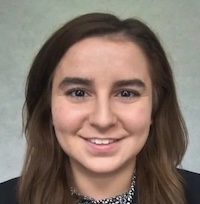
Filoteia Popescu, MD, PhD
Lab Manager & Clinical Trials ManagerMs. Popescu manages the Center’s clinical, community, and multi site research operations. Her work includes trial coordination, digital health measurement and implementation of social determinants of health screening tools across pediatric settings. She plays a key role in advancing high quality, family-centered research infrastructure.
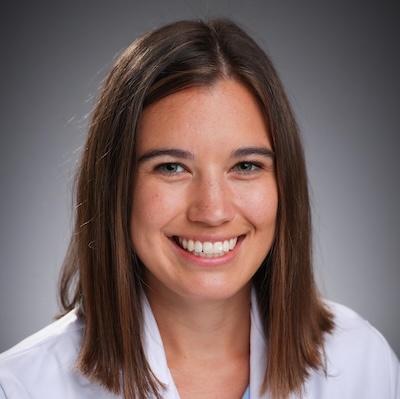
Lily Suarez, MD MPH
Fellow in Academic General PediatricsDr. Suarez is a physician in our medical weight loss clinic, providing care for both adults and children. Her research focuses on understanding how family-centered interventions can support long-term healthy weight changes.